

 1-877-817-6687


Introduction: Why OSHA Compliance Matters
Construction work can be dangerous, and it’s important for a contractor’s business that its employees are being responsible and practice upholding certain safety standards.
Those standards are set in the United States by the Occupational Safety and Health Administration (OSHA).
OSHA is an agency within the Department of Labor that is responsible for ensuring safe and healthy working conditions for employees in the United States. They set and enforce standards that employers must follow to keep their employees safe on a job site. These standards cover everything from protective equipment to safe work practices and environmental health.
As a business owner, it’s important to understand the significance of OSHA compliance and the impact it can have on your business. By complying with OSHA standards, you not only ensure the safety of your employees, but also protect your business from potential legal and financial consequences.
Whether you’re a large corporation or a small business owner, understanding the importance of OSHA compliance in construction is crucial for maintaining a safe workspace. By following OSHA standards and best practices, you can protect your employees and your business, while also contributing to a culture of safety and well-being in the construction industry.
Overview of OSHA Compliance in Construction
OSHA was founded in 1971 when the U.S. Department of Labor established the agency to enforce the Occupational Safety and Health Act. The agency covers most private sector employers and employees in all 50 states, plus the District of Columbia and U.S. territories.
Construction and municipal workers face some of the most hazardous working conditions in America. Whether it’s working on a high-rise building or repairing a busy street, these workers are constantly exposed to potential safety hazards. This is why compliance with OSHA regulations is so important.
Some of the common hazards that these workers face include:
- Falls
- Electrocutions
- Struck-by accidents
- Caught-in/between accidents
OSHA has specific standards and regulations that apply to the construction and municipal industries. These cover a wide range of topics, including fall protection, respiratory protection, electrical safety, and hazardous materials handling.
One of the most important aspects of OSHA compliance is training. Employers are required to provide comprehensive training to their employees on the hazards of their jobs, as well as on the proper use of the equipment they will use and the safety protocols associated with it.
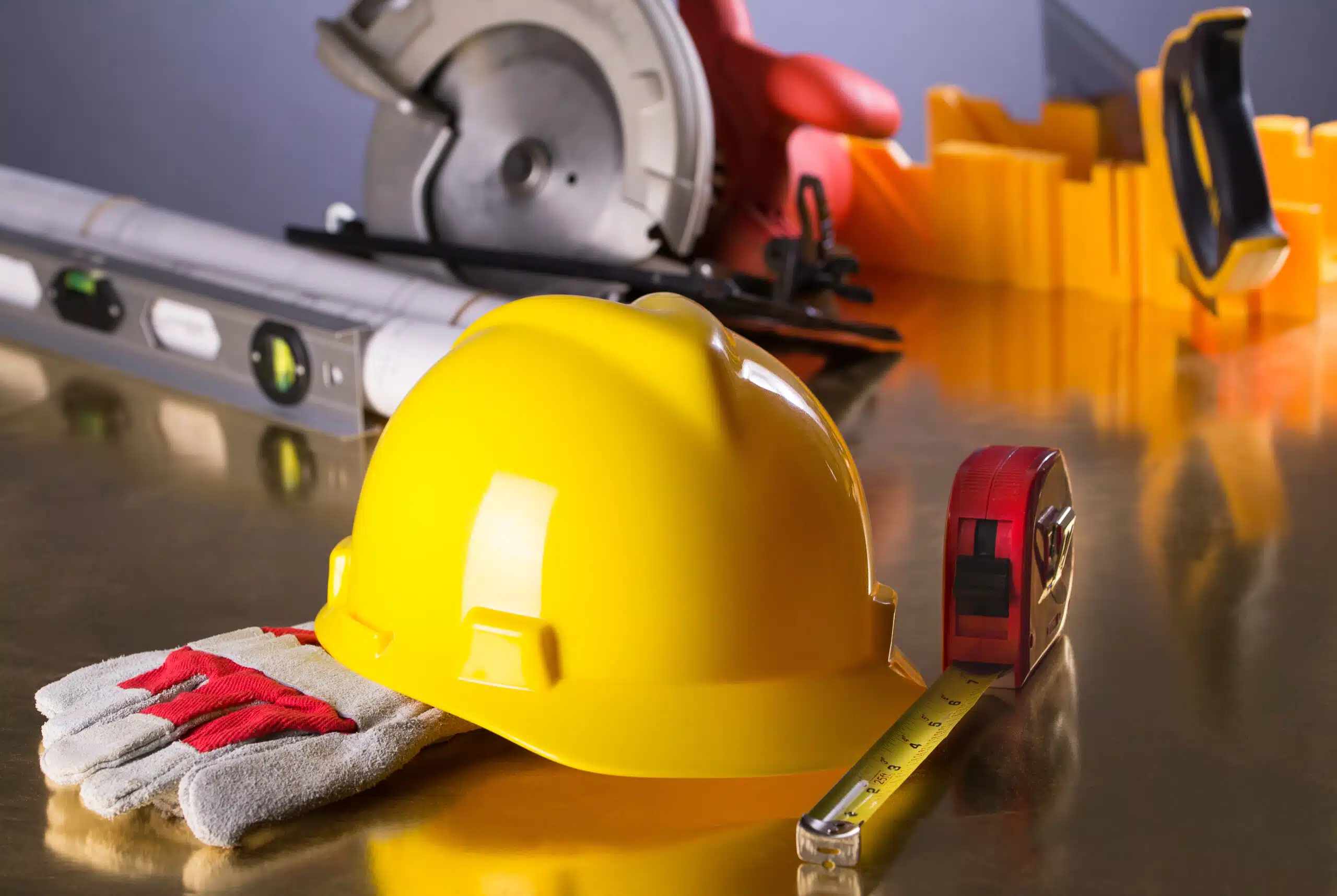
In addition to training, employers must also provide their employees with personal protective equipment (PPE) and ensure that it is being used properly. This may include hard hats, safety glasses, masks, gloves, and other equipment that is specific to the hazards of their jobs.
Another important aspect of OSHA compliance is recordkeeping. Employers are required to maintain detailed records of workplace injuries and illnesses, as well as any OSHA inspections that have taken place. These records must be kept for a specified period of time, typically five years, and must be made available to employees and OSHA inspectors upon request.
The Consequences of Non-Compliance
Failing to comply with OSHA regulations has serious repercussions for business owners, including fines, penalties, and even criminal charges in some cases. Non-compliance with these regulations can lead to serious injuries or fatalities for workers.
Penalties for non-compliance include:
- Significant OSHA fines and citations
- Increased insurance premiums
- Project delays or work stoppages during investigations
- Legal liability and, in severe cases, criminal charges
For contractors, the cost of non-compliance is almost always greater than the cost of prevention.
Benefits of OSHA Training
Concrete has become popular over the years, not only for industrial purposes, but also for residential flooring. That glossy finish comes at a price, and oftentimes, it is the concrete worker who pays for it. They face numerous hazards, including exposure to silica dust and other airborne particles. This can lead to a variety of respiratory problems, even cancer.
To ensure the safety of concrete workers and all construction workers, it is important for contractors to provide comprehensive OSHA compliance training on dust collection and other safety practices.
There are multiple benefits to OSHA training, including:
- Improved Safety: Helps workers identify and avoid potential hazards on the job, including those related to dust collection.
- Increased Productivity: Properly trained workers are able to work more efficiently and effectively.
- Reduced Costs: Reduces the risk of accidents and illnesses, avoiding costly workers’ compensation claims and fines.
- Improved Morale: When workers feel like their employers care about safety, job satisfaction and retention improve.
Dust collection is also a critical component of preventing respiratory problems and other health issues related to airborne particles. Proper training on the use of dust collection equipment can significantly reduce risks.
- Improved Air Quality: Using a dust collection system properly helps protect workers and the surrounding environment.
- Reduced Equipment Damage: Dust buildup can damage equipment over time. Using dust vacuums properly helps extend the life of tools and machines.
Providing OSHA training benefits employees, but it also helps business owners save money in the long run by lowering insurance premiums, protecting equipment, and reducing costly turnover.
Methods of OSHA Compliance
One of the key components of compliance with OSHA regulations is the use of exposure control methods, which can be implemented through the performance option or scheduled self-monitoring.
- Specified Exposure Control Methods: A set of OSHA guidelines outlining how employers must protect workers from exposure to hazardous substances, such as respirable crystalline silica.
- Performance Option: Employers may use any combination of controls that achieves the same protection level as OSHA’s specified methods, such as combining dust collection with administrative controls.
- Scheduled Self-Monitoring: Employers monitor the workplace regularly to ensure exposure control methods remain effective.
OSHA Compliance Checklist with a Construction Focus
- Provide fall protection when working at heights.
- Train workers on the proper use of dust collection systems and PPE.
- Maintain accurate injury and illness logs for OSHA review.
- Conduct regular safety audits and inspections.
What You Can Do with an OSHA Certification
OSHA offers two different certifications to train employers and employees on proper safety measures for their respective industries. The OSHA 10- and 30-hour training programs are taught by authorized trainers through OSHA’s Outreach Training Program.
- OSHA 10-Hour Training: For entry-level employees. Covers basic awareness of workplace hazards and prevention. Affordable, quick, and a plus for resumes.
- OSHA 30-Hour Training: For supervisors and managers. Covers OSHA inspections, permitting, emergency plans, hazard reporting, and more.
Employee benefits include:
- Increased job opportunities (many employers require certifications before hiring).
- Potential for higher pay rates or bonuses.
- Leadership opportunities such as safety coordinator or safety officer roles.
These certifications show employers that workers understand safety, know how to prevent hazards, and are committed to safe practices.
U.S. Saws: OSHA-Compliant Dust Collection Systems
The hazards facing construction and concrete workers are many, including falls, saw blades, toxic chemicals, and microscopic dust particles. Fortunately, companies like U.S.
Saws design tools to support OSHA compliance.
Popular dust collection systems include:
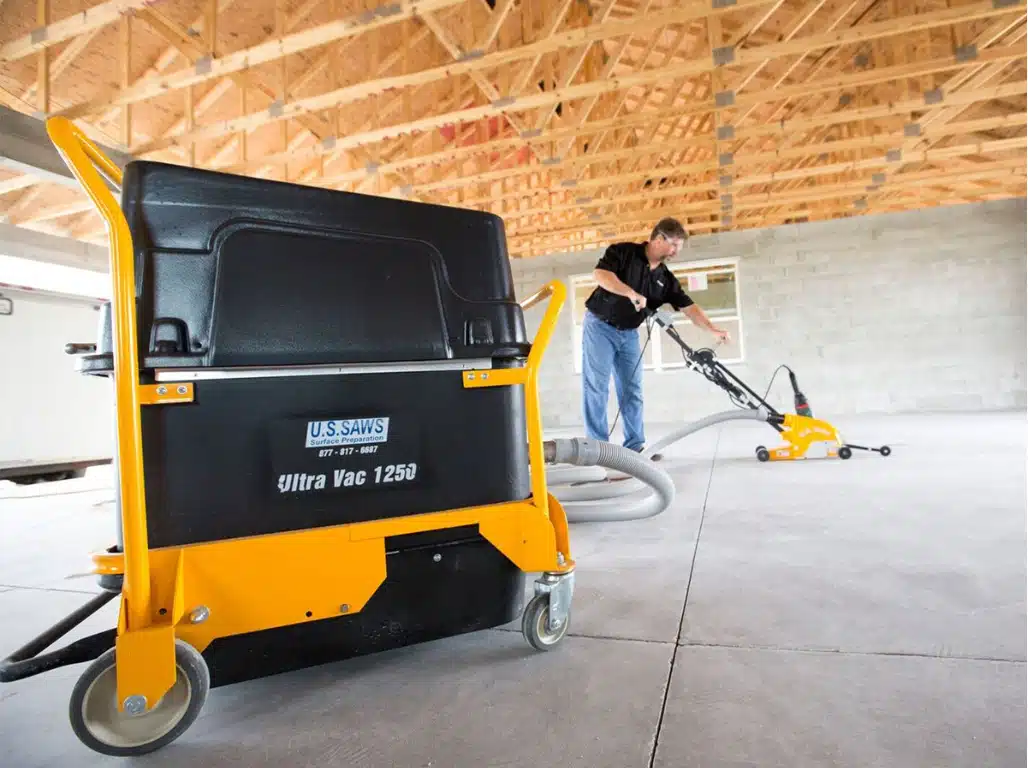
- Ultra Vac 1250-G Gas Powered Vacuum — Preferred for joint clean-out saws, early entry saws, and the CC-100 Crack Chaser. Powered by a Honda GX240 motor with optional HEPA filters and Longopac bagging systems.
- Ultra Vac 1250 Dust Collector — Electric-powered with dual Ametek motors, a 25-foot hose, and optional HEPA filters. Excellent for surface grinders and heavy-duty saws.
Both systems are engineered to comply with OSHA Table 1 silica dust regulations.
OSHA Compliance FAQs
What is OSHA compliance in construction?
It means meeting OSHA standards to reduce hazards such as falls, silica dust exposure, and equipment risks.
What happens if my company is not OSHA compliant?
Non-compliance can lead to fines, project delays, insurance hikes, and worker injuries. OSHA provides resources for small business safety programs.
Which OSHA training is best for contractors?
Entry-level workers typically complete the OSHA 10-Hour Training, while supervisors and managers take the OSHA 30-Hour Training.
Final Thoughts
OSHA compliance is not just about regulations — it’s about protecting workers, preventing costly accidents, and ensuring the long-term success of your business. Contractors who make compliance a priority foster safer, more productive jobsites.
U.S. Saws proudly supports OSHA compliance with dust collection systems, vacuums, and concrete prep tools engineered for worker safety.