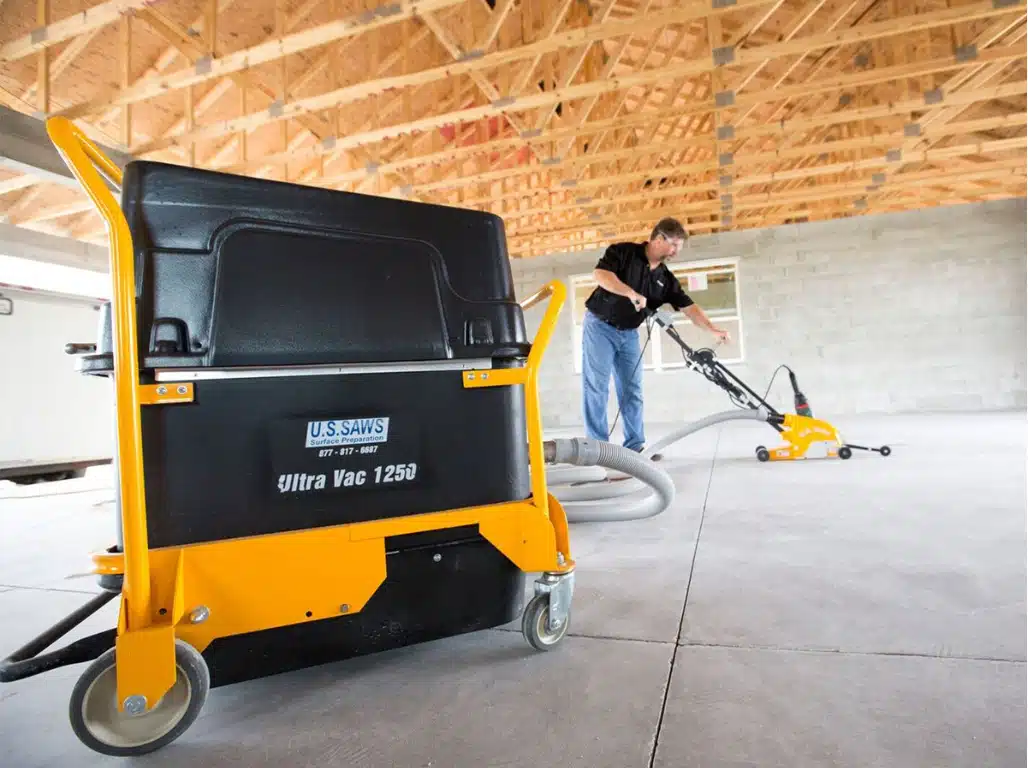
Concrete Chainsaws

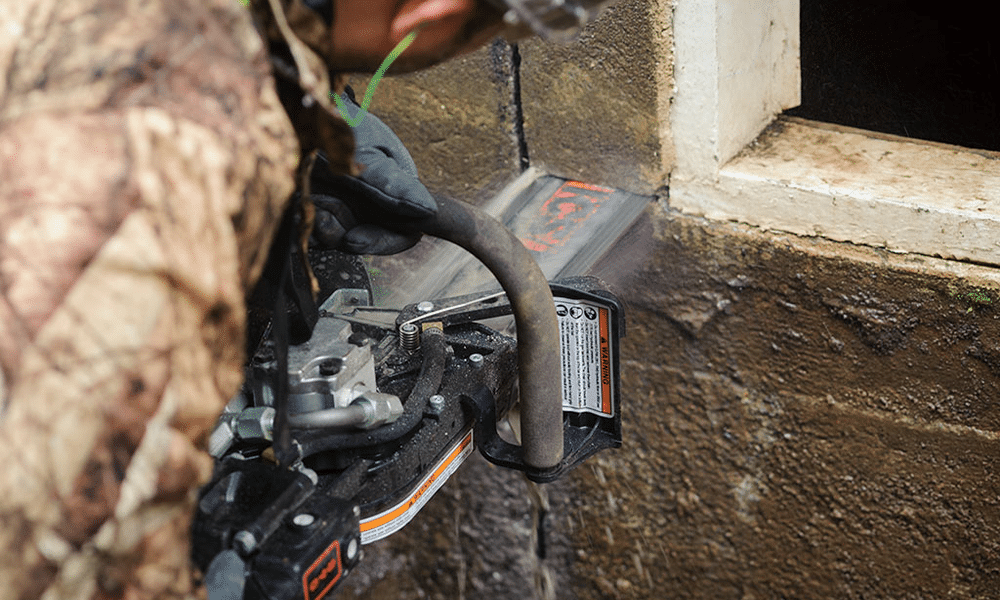
Traditionally chainsaws are known to be used for wood projects such as tree removal. But when your project calls for cutting deep into concrete, a chain saw specified for concrete should be your first choice. These types of saws can be used on all different types of concrete, bricks, masonry, and steel objects as well. Concrete chainsaw blades are made of mainly diamond grit which has incredible durability for these different types of surfaces. Because of the common use of these chainsaws in home construction, government projects, and non-residential buildings, they are becoming an essential tool for all construction companies.

Purpose of Concrete Chainsaws:

For most construction jobs, a concrete chainsaw is one of workers’ most used tools because of how diverse a tool it can be. Demolition jobs, mining works, and even firefighters occasionally use these intensified concrete chain saws for their jobs. These chainsaws are perfect for tight, hard-to-reach areas where big equipment can’t reach. Concrete chainsaws can easily make small, deep openings in these tough surfaces to further enhance any project that you are working on.

These chainsaws are welded with diamond segments to increase the hardness and endurance of the cut you are performing. Because these concrete chainsaws have pressurized water circulation instead of bar and chain oil in regular chainsaws, heat reduction is the main component.

A concrete chainsaw is a perfect tool for these hard, tough surfaces because of the little amount of kickback they produce. These saws hardly ever get caught because concrete is a fibrous, brittle structure.

Different Types of Concrete Chainsaws:

Depending on the variety of jobs you are working on will depend on the type of concrete chainsaw that you use. Gas and air-powered chainsaws are very different, so it is important to gain some knowledge beforehand when deciding on your next chainsaw. At U.S. Saws, we offer different chainsaws to make your next project become easier and more efficient to get the job done as quickly as possible:

Ductile Iron Cutting Air Chainsaw: These chainsaws are designed for the demanding jobs you come across when working in the construction business. They are the perfect saw for cutting ductile iron and other types of pipe that you may find. This type of chainsaw has different capabilities that are able to cut from 15” up to 20” deep of piping. The Ductile Iron Air Chainsaw makes sure safety is a priority and ensures the job gets done as quickly, but efficiently as well.

Concrete Cutting Air Chainsaw: This air-powered chainsaw is designed to cut through concrete walls, underground vaults, concrete pipes, and other tough structures. The cutting air chainsaw is used by contractors who require high performance and are very low maintenance, emissions-free tools. Because it is air powered, you can use this chainsaw for unground projects and not worry about the dangers of breathing in fumes that most gas-powered equipment produces. With a long service life, this saw will save you on maintenance costs in the future and become an everyday tool for your projects.

Ductile Iron Cutting Gas Chainsaw: With new 695XL features, this chainsaw has an easy-to-start engine with a high ignition system ready to tackle any surface in its way. These chainsaws are durable and have long-lasting components such as the muffler, carburetor, and piston to provide you with sustainability for years. This is the highest horsepower ICS gas chainsaw that is mostly used by construction, contractors, and concrete professionals. Packages with this chainsaw include a guide bar, PowerGrit Ductile Iron Chain, 10” Pipe Clamp, and Storage Bag Package to ensure you are getting your money’s worth.

Concrete Cutting | ICS 695XL-16 F4 Heavy: The most versatile gas-powered chainsaw from U.S. Saws. Available with 12 In. (30 cm) – 16 In. (40 cm) guide bars and the entire line of max, ProFORCE, and powerhead series Diamond Chains make this chainsaw perfect for any hard-cutting jobs you are working on. This chainsaw also involves the package of a guide bar, PowerGrit Ductile Iron Chain, 10” Pipe Clamp, and Storage Bag. Out of all the chainsaws with U.S. Saws, this is the lightest weighted one to use as well.

With different types of chainsaws available, U.S. Saws is here to help you find the perfect match for your next project. From tough concrete cutting to intensified pipe cutting, we have the chainsaws ready for your specific job to get done quickly and efficiently.

How to use a Concrete Chainsaw

Safety First:

Using a chainsaw is a dangerous aspect of the construction business. Because of this, safety should always be the first step when using a concrete chainsaw. Make sure you are well equipped with the proper clothing, hard hat, eye protection, and gloves. Once this is executed, checking the area before the cut is the next step.

Check the area and be sure that no electrical wires, plumbing, air ducts, or other dangerous obstructions are in the way of the cut you are about to make. The chain on the saw should be inspected to ensure the tension is correct and not too high as well. This is important to ensure the chain will work the way you need it to when performing your cut.

Plan Your Cut:

Planning your cut before the initial cut is an essential part of using these chainsaws. You can use a marker to help with a visual guide during this process. One thing that is important to remember is to always cut the bottom of the area first, cut the top of the area afterward, then finish with the sides.

The recommended technique that is the easiest and safest is called “plunge cutting”. Having a straight cut is a top priority and this process ensures this happens.

The Execution:

When it is finally time to cut your surface, start by slowly putting the nose of the guide bar straight into the surface. It is important that the trigger is continuously held on full throttle throughout the whole cut. The nose of the bar should be lined up with the visual guide you created while you slowly plunge.

During this process, a good amount of force should be applied. But if you push too much force, the saw will stall and the chain will untimely not have enough speed to continue with the cut. Having not enough force will cause the diamonds of the chain to glaze over the concrete. It is essential to find the right amount of force and maintain a constant RPM throughout the cut when using these chainsaws.

If you ever need a faster cutting speed, opening up the diamonds on the chain can execute this. This is done if you are struggling to make a cut on the surface you are working on.

Rent vs Buy:

Depending on the work you do will help you choose whether you should invest in buying a chainsaw or renting one. Whatever side you pick, you need to decide what will help your projects in the future the most, as well as financially for your business to make sure you get your money’s worth.

Rent:

If you don’t normally use concrete chainsaws for your everyday projects, your best decision is to rent. There isn’t much need to buy a chainsaw for one-time use. Because there are several different types of chainsaws, if you do decide to rent, you need to ensure you get the right one for the specific project that you will be working on.

There is a big difference between gas and air chainsaws that have different amounts of power produced. Inspect the project you will be working on first before you start any of the renting processes for this equipment.

Always make sure the chainsaw you are renting is up-to-date and performs the way it is supposed to. The last thing you want is to start on your project with a faulty chainsaw that will waste valuable time and money.

Buy:

If your business is heavily involved with concrete projects, investing in a high-quality concrete chainsaw will be well worth the money. Having your own chainsaw means you never have to worry about finding a chainsaw to rent in urgent times. Struggling to find a chainsaw to rent can make or break an important project that is urgent.

When you decide you want to buy, going the cheaper route isn’t always the best. Yes, these chainsaws are expensive. These types of chainsaws turn into a financial commitment that will be worth it in the end.

Concrete chainsaws that you buy from U.S. Saws are high-quality and satisfaction guaranteed. With the most durable and sustainable chainsaws available, you will lower your maintenance costs and be able to finish every project that is thrown your way when it comes to concrete and other tough surfaces needed to be cut.

Frequently Asked Questions:

How Long Do Concrete Chainsaws Last?

The average life expectancy of one of these chainsaws is at least 10 years. How long your chainsaw lasts all depends on how well you take care of it. Maintaining and cleaning your chainsaw will provide you with longer usage times for them. Be sure to replace any parts as soon as possible and lubricate the chainsaw before and after every use as well. If you maintain it and clean it thoroughly after every use, you can have your concrete chainsaw for a very long time, and will be worth the money you spent originally.

This also depends on the brand you choose to buy as well. Chainsaws are a huge market so there are numerous amounts of different brands and manufacturers. Each brand uses different materials and has different needs so your life expectancy on these chainsaws will always differ.

How Deep Do You Cut Concrete?

Most uses for a concrete chainsaw are for small openings or different tough surfaces. Because of this, different chainsaws can cut concrete up to 25 inches thick. Some hydraulic concrete chainsaws will cut more than 25 inches. Most gas-powered chainsaws will cut 12 to 16 in. deep depending on the model, bar, and chain being used. Depending on what chainsaw you are using and the material you are trying to cut will all affect how deep you can cut. You need to make sure you have total control of your chainsaw to ensure you don’t cut deeper than needed for your surface.

When is it Time to Replace Your Chainsaw?

When your chainsaw starts making you work harder than you usually do, this is when it is time to think about finding a replacement. Your chainsaw might become sluggish and the cuts you normally make will take longer. Missing teeth, rust, and smoking from the chain are also noticeable factors that it is time to find a replacement. Most of the time it is only the chain that needs to be replaced when these difficulties start occurring. Always inspect your chainsaw before each project so you can notice any issues beforehand.

Can you Cut Concrete Dry?

Cutting concrete with any saws should never be done dry. This type of cutting should be strictly done with a wet system. This helps reduce dust that can become health hazards within the respiratory system. Wet cutting helps with more precise cuts and puts less pressure on those using the chainsaw as well. Even though this is by far a messier method, this is an important cooling aspect for your diamond blades to ensure they are being used properly for your cutting project. 

Is “Kickback” a Safety Issue When Using These Chainsaws?

According to a research study recently published in the International Journal of Occupational Safety and Ergonomics, abrasive chainsaws generate nearly 50% less kickback energy than circular cutoff saws – making them a safer choice when cutting these tough surfaces. Diamond chains that are on your concrete chainsaw grind through concrete with small diamond teeth that are without hooks. If you use the preferred method of plunging straight into the surface when starting your cut, there will be no kickback. Wood-cutting chainsaws give kickback because the sharp hooked teeth grab the wood.

Where to Buy Your Next Concrete Chainsaw?

Concrete chainsaws are becoming a popular tool for the construction business. Because of their efficiency and safety features, choosing to have this piece of equipment is crucial for your next project. There are many different factors that go into deciding on your next concrete chainsaw. This can be a difficult process to ensure you get your money’s worth, but U.S. Saws has you covered throughout the whole process. With different types of chainsaws and attachments available, U.S. Saws will get you the most high-quality chainsaw to fit your project’s specific needs.

U.S.SAWS principals each have over 30 years of experience in the concrete repair industry and are very knowledgeable about Sawtec products. We are dedicated to improving contractors’ brand loyalty through innovative product enhancement and personal customer service. We bring to market innovative construction products which provide our customers value by improving job site productivity and safety as well.

U.S. Saws is an innovator in the tool industry. Concrete chainsaws are an essential tool for all tough surface cutting needs that will take your project to the next level. As there are many factors to consider in choosing the proper concrete chainsaw for your project, engaging with a company to help guide you to the right knowledge and concrete chainsaw equipment will ensure your project is completed promptly and in the right manner.  Contact U.S. Saws today to find the concrete chainsaw to meet your specific project needs.
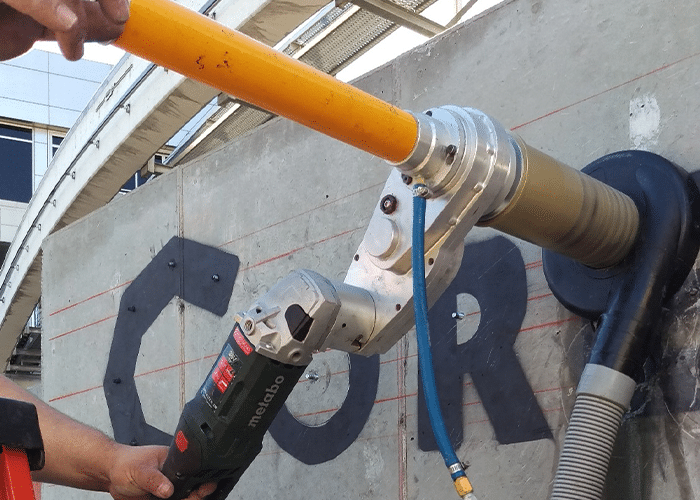
Ins and Outs of Core Drilling

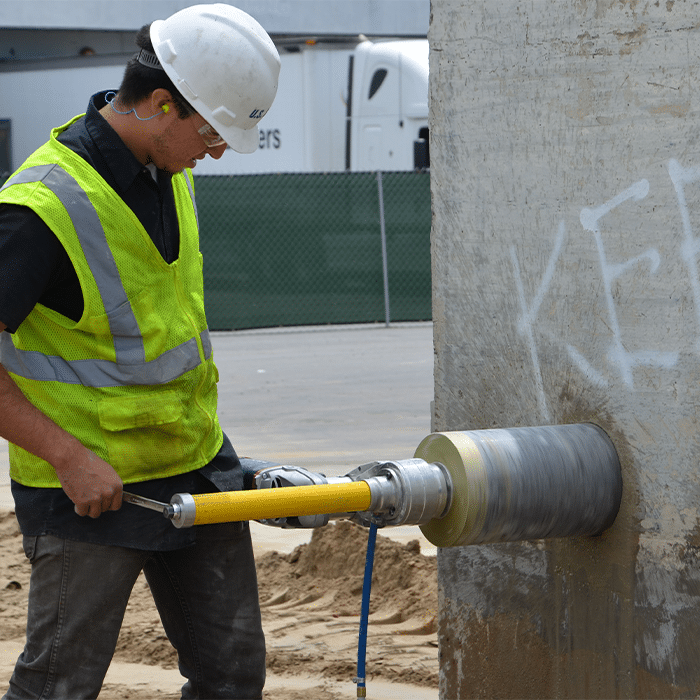
Core drilling is one of the most important aspects in the construction field and a precise concrete cutting technique. This type of drilling allows you to cut holes into concrete, paved surfaces, and brick. This precise technique is used for those preparing pipes and cables, but also ducting for HVAC purposes. Because this type of drilling is special, you need to know the basics and the safety needed to have successful drilling when the time comes.

Basics of Core Drilling:

To get started on your core drilling, you need a coring tool (core drill). With the purpose of cutting large holes, this type of drill is able to cut through most desired surfaces. Cement, tile, concrete, and sandstone are just a few of the surfaces this powerful and useful tool can cut through. The main element is the core drill bit, also known as the annular cutter. This bit is a cylinder element that is hollow, usually with an abrasive surface.

How it Works:

When the mounted teeth are attached to the surface you are cutting, the rotation of the core drill bit starts to make a slow circle shaped hole. It should be noted that the diameter and the size of the bit determines how far it can go until it is full of the core materials, which are the cylindrical pieces of uncut materials. Once this is full, the drill isn’t able to go any further in the process. Extract all the core materials from the surface you are working on which creates the cylindrical hole. Do this drilling and extracting process until you have cut the hole of your desired length on the surface you are cutting.

Preparation Before Drilling:

Before any drilling can happen, you need to make sure there are not any pipes, cables, or other utilities under the surface you were planning on cutting. Once this is done, measure the thickness of the wall so you know ahead of time how deep you need to cut. This will save you a tremendous amount of time if you’re able to drill through the wall in a single pass.

Once you have done these steps, it is time to configure the drill. You need to make sure you have selected the correct drill bit with the right length for the surface you’re about to cut. If you are using a power drill, you need to attach the core bit to the arbor and then the arbor-bit second. With these two in place, then you can attach the guide drill bit. Make sure your drill is on the desired setting for the surface and type of hole you are trying to make and start drilling!

Safety With Core Drills:

Because this technique takes a lot of precision and is heavy-duty, safety is always the main focus. As you probably already know, eye goggles are a must to make sure dust and debris do not get in your eyes. Make sure your shoes are non-slip as well. Slipping when using this drilling technique can cause you to have uneven holes. Core drilling can be loud at times so ear plugs are also recommended for this type of job. Investing in the right tools will make this job more safe and easier on you as well. Getting the right high-quality drill and bits for your project will allow for less possibilities of issues with your cutting and your safety.

U.S. Saws is an innovator in the tool industry.  Core drilling is a popular technique in this industry because of the many different surfaces you can use it for. Knowing how to use it and having the right materials take your project to the next level. As there are many factors to consider in choosing your next core drilling project, engaging with a company to help guide you will ensure your project is completed promptly in the right manner. Contact U.S. Saws today to find all of your core drilling needs!


4 Tips for Concrete Drill Safety

As the use of concrete expands in both building construction for the residential and business world, as well as for municipal structure, the use of concrete drills rises as well.  Concrete drills are fantastic tools, but, as with any power tool, there are certain precautions you should take to ensure your safety and to come away from the job or project with all of your digits intact.

Below are four key recommended safety measures to protect you when preparing to use a concrete drill.

Know Your Surroundings

The first piece of the concrete drill safety puzzle is to make sure you know what you are getting into.  Before starting a job, fully inspect the worksite.  Ensuring that the area is free of debris and is not slippery will help you keep your balanced with feet flat on the ground for a solid stance.  Make sure the area is properly lit so that you can see what it is you are drilling into and to keep an eye on the debris released during the drilling process.  When setting up your worksite, take extra care to confirm the area has proper ventilation.  Gas powered drills release carbon monoxide which can be lethal.

It is also important to properly inspect your concrete drill prior to use.  Check that the machine guards are in working order and that all parts are properly mounted and aligned.  If a part is not functioning optimally, make the necessary repairs prior to use.  Failure to inspect your tool’s grip, mounts and other parts can lead to a tool’s malfunction which can in turn lead to injury on the part of the user.

Set Yourself Up for Success

The second key safety measure for concrete drill safety is the use of protective gear.  Besides OSHA regulations requiring the use of certain protective gear, it is always a good idea to take simple precautions to protect yourself.  Concrete drills are power tools, and as with other power tools, concrete drills require certain safety gear to ensure you emerge from the job in one piece.  First and foremost, are safety glasses.  Protective eye wear should protect not just the front of the eye, but also the sides.  Fast moving debris is a risk when drilling, which could become lodged in your eyes without the proper eye wear.  A face covering is also vital to protect your nose, mouth, throat and lungs from concrete dust.

Other simple precautions will help reduce your risk of injury too.  Pulling back long hair to ensure it does not get caught in the motor and avoiding loose fitting clothing that also could risk getting caught in the motor are important to remember.  Gloves and non-skid foot wear will also protect your hands and feet from injury.

Go In with a Game Plan

Third, as with most jobs, it makes the most sense to attack the task with a game plan.  Knowing the premises, ensuring you have the proper number of workers on site to complete the task at hand, and understanding what the expected outcome of the work is will put you on the path to success.  Having a plan and executing that plan precisely will help you perform your concrete drilling task with the least amount of danger, in the optimal amount of time, with the best possible outcome.

When preparing your game plan, make sure to know the size of the drill and drill bit that the task requires.  Be aware of the required depth of the cut.   This will aid you in deciding whether or not a drill stand is necessary for the job.  Using tools that are too small for the job may cause overheating of motors which can then cause injury.  Using incorrect drill bits for the depth of the cut or surface being drilled can cause bits to bounce out of holes, which is also a safety issue. Being prepared with all of the right accessories to complete your cutting job is a key component to pulling off a safe and successful plan.

Watch for Waste

Finally, the besides potentially losing a digit to a dropped drill or passing out from carbon monoxide poisoning, concrete dust is the most dangerous hazard faced in concrete drilling.  Working cleanly and efficiently will help reduce the amount of concrete dust to which you are exposed.  The dust particles that are released into the air are respirable crystalline silica.  These particles are much finer than grains of sand and may be inhaled on the job without the right protective gear.  It takes some time for the light silica particles to settle, so they may remain a hazard even after the job is complete.  Wet drilling, dust shrouds and vacuums are efficient ways to handle the large amount of concrete dust released during the drilling process.

Knowing and understanding the risks of concrete drills will help reduce the hazards you face while using it.  Keeping in mind the four above concrete drill safety elements when preparing to use a concrete drill will ensure a job well done by an uninjured worker.

Learning how to use a concrete drill and maintaining proper concrete drill safety precautions may seem overwhelming, but it does not have to be.  Contact U.S. SAWS today to determine the best drill and protective gear to use for your project.

Making Life Easier with Magnetic Manhole Lifters

Manholes are essential to municipal infrastructure.  They provide swift, easy access to storm drains, sewers, and a wide variety of underground pipes.  Ensuring there is proper access for utility workers to these areas is crucial to maintaining this important part of the area’s framework.  While utility workers need swift, easy access, the public should not be able to enter these areas.  Because of this the manhole cover was created.

Manhole covers are beneficial for a few reasons.  First, in order to help keep the public out of municipal water systems, storm drains and sewers, manhole covers have been developed to be exceptionally heavy, causing the average person to not be able to lift it on their own.  Second, manhole many covers have vents, allowing the manhole to be protected from any public shenanigans but also allowing dangerous gases to escape before building up to dangerous levels.

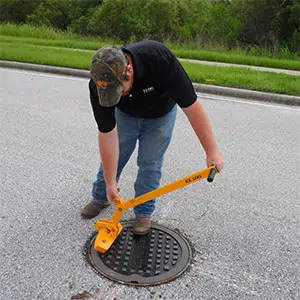
Many times you hear utility work is back-breaking work.  This is one of those specific instances where it can literally be back-breaking work, but it does not have to be anymore.  With the advent of magnetic manhole cover lifters, the utility worker can maximize safety, time management and convenience all with one tool.

Benefit Your Body

Lifting manhole covers by hand is a terrible idea.  Don’t try it!  You risk a multitude of injuries by doing it. Manhole covers are made a few different ways, be it cast iron, steel, or concrete, and come in varying sizes, but all of them are heavy.  Manual lifting can result in serious back injury, especially If you’ve misjudged the weight.  Back injuries are debilitating and painful, and can require surgery to fix.  Manhole covers can be slippery too, risking a crushed finger or hand.  Toes and feet are also susceptible to injury, especially if they proper shoes are not being worn, as heavy manhole covers may be dropped suddenly, crushing toes or feet under the weight of the cover.

By including U.S. SAWS’ diverse variety of magnetic lifters in your toolbox, you can be sure to save energy and protect your back and limbs from painful injuries.  The Megatron 2 Magnet Break N’ Take is the right tool for jobs with a 350 pound lifting capacity.  For even heavier jobs, up to 900 pounds, the Supreme Duty Collapsible Dolly is your answer.

Work Smarter, Not Harder

Time is money, and moving heavy manhole covers can be time consuming work due to the heavy load of the cover.  Magnetic lifters not only make the work easier on your body, but also save you significant time and effort.  U.S. SAWS has developed smoother and more efficient ways to handle complex jobs.  The Twin Magnetic Spreader Bar provides a beam that allows two magnets to be utilized at once, instead of only using one, making the job completion quicker and providing a safer lift, with the added bonus of greater stability during the lifting process.

Convenient Carry

Not only are magnetic lifters better for your body and more efficient, but they are even space saving and convenient to pack and store.  Portability is important when you are working in an area far from where you had to park.  Carrying a several pieces of heavy equipment is never convenient.  U.S. SAWS magnetic lifters have dolly handles that break down for easy shipping and storage.  Lifters like the Supreme Duty Collapsible Dolly also eliminate the use of pry bars, reducing the amount of equipment being hauled to and from the site.  U.S. SAWS has the right durable tools that are portable and quickly and easily stored allowing you to get the job done safer and more efficiently, sparing your valuable time and protecting your body from injury.

Contact U.S. SAWS today to discuss the beat magnetic manhole cover lifters for your team and to see what new products they have waiting in their wings.

Everything You Need to Know About Valve Exercisers

Why Do We Need Valves and Valve Exercisers?

Valves are crucial to the transportation of municipal water from place to place, as well as in sewage processing and plumbing systems.  Even the human body has valves!  From the age of the Romans and their aqueducts, valves have been used to control the flow of water to households.  While valves are vital to regulating, directing, and controlling the flow of water, valves are also used with gases, solids, and slurries.  Modern-day municipal water and waste agencies use valves to direct water flow, adjust water pressure, shut down water access, and prevent backflow.  The public water systems are vital to a community’s infrastructure, and the citizens depend on the uninterrupted supply of potable water.  Should a valve fail to prevent backflow, an entire community’s water supply will become contaminated and unusable until properly sanitized.  When those valves fail, it is up to the municipal workers to access the faulty valve(s) and repair and/or replace it.

The best way to avoid damaged valves is through the user of a valve exerciser.  Much like a treadmill helps exercise your heart (and all of its valves), a valve exerciser is a tool used to turn valves on and off repeatedly to ensure the valve does not become stiff and malfunction.  Valve exercisers are vital to the uninterrupted flow of water for cities and surrounding communities.  Without this maintenance, valves will wear and not be able to fully do their jobs.  Nobody wants a backflow of sewage in their drinking water.  To ensure faulty valves are not an issue, municipal agencies will create valve exercising programs where workers conduct valve turning with their valve exercisers to loosen and then tighten the valves down again to ensure they are functioning optimally and have not seized or suffered from corrosion.  Regular use of valve exercisers helps keep the valves limber and free of debris.

Advances in Technology

Valve exercising is not as easy as it may appear.  It can be back-breaking work that has to be done with precision.  Thousands of people rely on the proper functioning of those valves that are being exercised.  Valves are not always placed in the most easily accessible locations.  As a matter of fact, to avoid non-municipal affiliated people from tinkering with the valves, many are placed in hard-to-reach areas.  This makes accessing valve exercisers difficult for the workers and their valve turning. The early 2000s saw truck-mounted valve exercisers that were both inconvenient and expensive. In an effort to alleviate some of the expense and size of the truck-powered valve exerciser which was needed to access and turn some stiff and corroded valves, companies like U.S.SAWS have developed technology like lightweight, battery-powered valve exercisers.  The portability of these valve exercisers makes turning valves a much simpler task.   As valve exercising research and development has grown, it has allowed advances in other repetitive valve operations as well, such as hydrant exercising.

The U.S.SAWS VEX-400

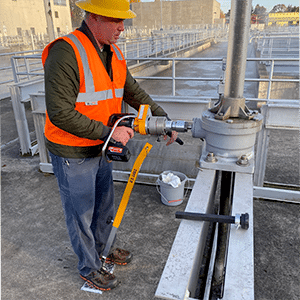
The U.S.SAWS VEX-400 is a perfect example of a solid, portable valve exerciser with the power and safety features needed for successful valve work.  These exercises are made of alloy aluminum and hardened steel which use a Metabo drill motor as its power source.  Safety features include a trigger handguard, stable foot base, overload protection, and a shear key that will break before the gearbox, preserving the integrity of the exerciser and its user.  This device has a rotation counter that tracks turns rotating in either direction, comes with three batteries for a full day’s work without the need for recharging, and has multiple extensions allowing the user access to a wide range of valve depths.  This powerful tool also has variable torque settings ranging up to 400 peak ft/lbs.  After use, it breaks down for easy transport in its carrying case.

U.S.SAWS has a valve exerciser to meet any municipal worker’s needs from the portable and powerful VEX-400 to the Deluxe Valve Exerciser Package – Hydrant KitContact us today to discuss your options.

STAY SHARP!


Sign up to receive the latest info on new U.S.SAWS products, special offers and more. Enter your information below to subscribe to our email list.

© 2026 U.S.Saws All Rights Reserved. Website Designed And Developed By Power On Marketing